Transfer Transcripts Need Course Descriptions
Students changing schools need transcripts that explain course content, level, grading scale, and instructional language.
Read MoreInternational Journal of Sustainability for Young Scholars
Striving for Global Sustainability

Students changing schools need transcripts that explain course content, level, grading scale, and instructional language.
Read MorePortable fans are often moved between activity rooms during hot weather, but missing cords, damaged guards, and unclear storage can make them difficult to use safely.
Read MoreYoung people are often told that we are too sensitive about speech. At the same time, we live in a world where words can spread instantly and harm can be amplified quickly. The debate over “cancel culture” and free speech is complicated because both sides point to real concerns. Free speech matters because people need room to think, question, joke, criticize, and make mistakes. College especially should be a place where difficult ideas can be discussed. If students are afraid that one imperfect sentence will destroy their reputation, honest conversation…
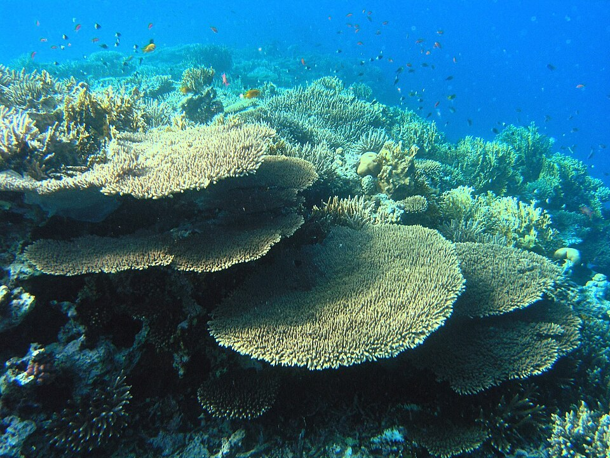
Read MoreCoral reefs can look like underwater decoration, but they are living classrooms. They teach students that beauty, biodiversity, economics, and climate are connected in one fragile system. A damaged reef is not only an environmental loss. It can affect fishing communities, tourism workers, coastal protection, and local identity. When coral bleaches, the change is scientific, but it is also social. This makes reefs powerful for education. Students can study chemistry through ocean acidity, biology through symbiosis, economics through tourism, and politics through conservation policy. One ecosystem can open many subjects…
Read MoreOn a hot day, two neighborhoods in the same city can feel like different climates. One has trees, parks, and shade. Another has concrete, asphalt, crowded housing, and bus stops with no protection from the sun. This is why heat is not only a weather issue. It is an inequality issue. People with fewer resources often have less access to air conditioning, safe outdoor space, and shaded streets. They may also work jobs that require them to be outside. Climate adaptation can sound like a distant national project, but heat…
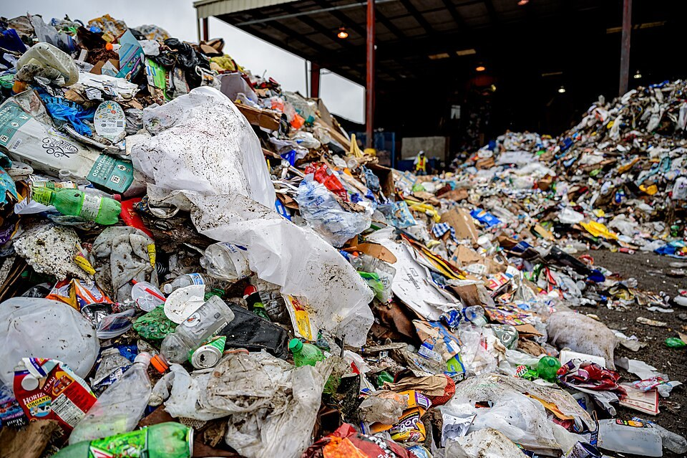
Read MoreFood waste is easy to ignore because it often happens quietly. A tray is cleared, a refrigerator is cleaned, a buffet closes. What disappears looks small in the moment, but together these small losses reveal a culture of abundance without attention. The issue is not only moral. Wasted food also means wasted labor, water, land, transportation, and energy. Throwing away food is like throwing away the invisible network that produced it. Students can see the problem clearly in cafeterias. Portions may be too large, choices may not match what students…
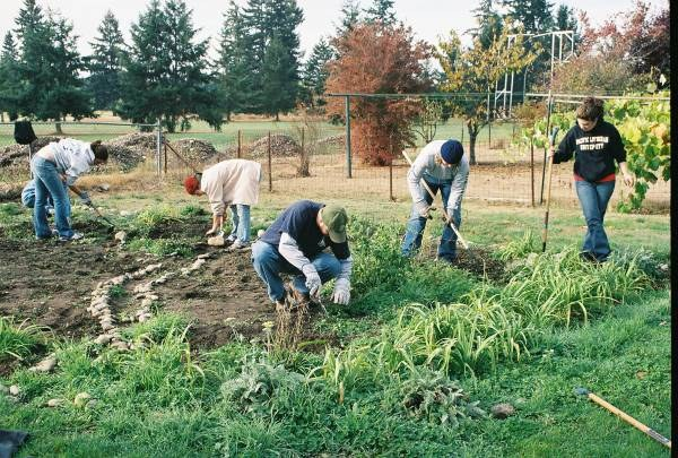
Read MoreVolunteer work is often photographed at its brightest moment. Students stand beside donated goods, painted walls, or smiling children. The picture can be sincere, but it can also make service look simpler than it is. Real service begins when the camera leaves. It means asking whether the project was useful, whether the community wanted it, and whether the volunteers learned to listen instead of simply arriving with answers. This does not mean students should avoid service. On the contrary, schools should encourage young people to leave their familiar circles and…
Read MoreWork life balance used to sound like a simple division. Work stayed at work, and personal life began afterward. That boundary is harder to maintain when phones carry messages, schedules, and expectations everywhere. For students and young workers, the problem begins before full-time employment. Assignments, internships, group chats, and side projects can create the feeling that every hour must be productive. Rest starts to feel like falling behind. A healthier idea of balance should not mean doing less because of weakness. It should mean protecting the conditions that make good…
Read MoreFast fashion makes style feel democratic. A student can try a trend without spending much money, and clothing becomes a quick form of self-expression. But the price tag rarely shows the full cost. Behind cheap clothes are materials, shipping, labor, water, waste, and the pressure to buy again before the last purchase has even worn out. The closet becomes a small version of a larger economy built on speed and disposal. Blaming only consumers is too easy. Teenagers and college students often have limited budgets, and expensive ethical brands are…
Read MoreUploading identification, certificates, or other documents to a public-service app can take time, especially on slow mobile connections.
Read More